Field
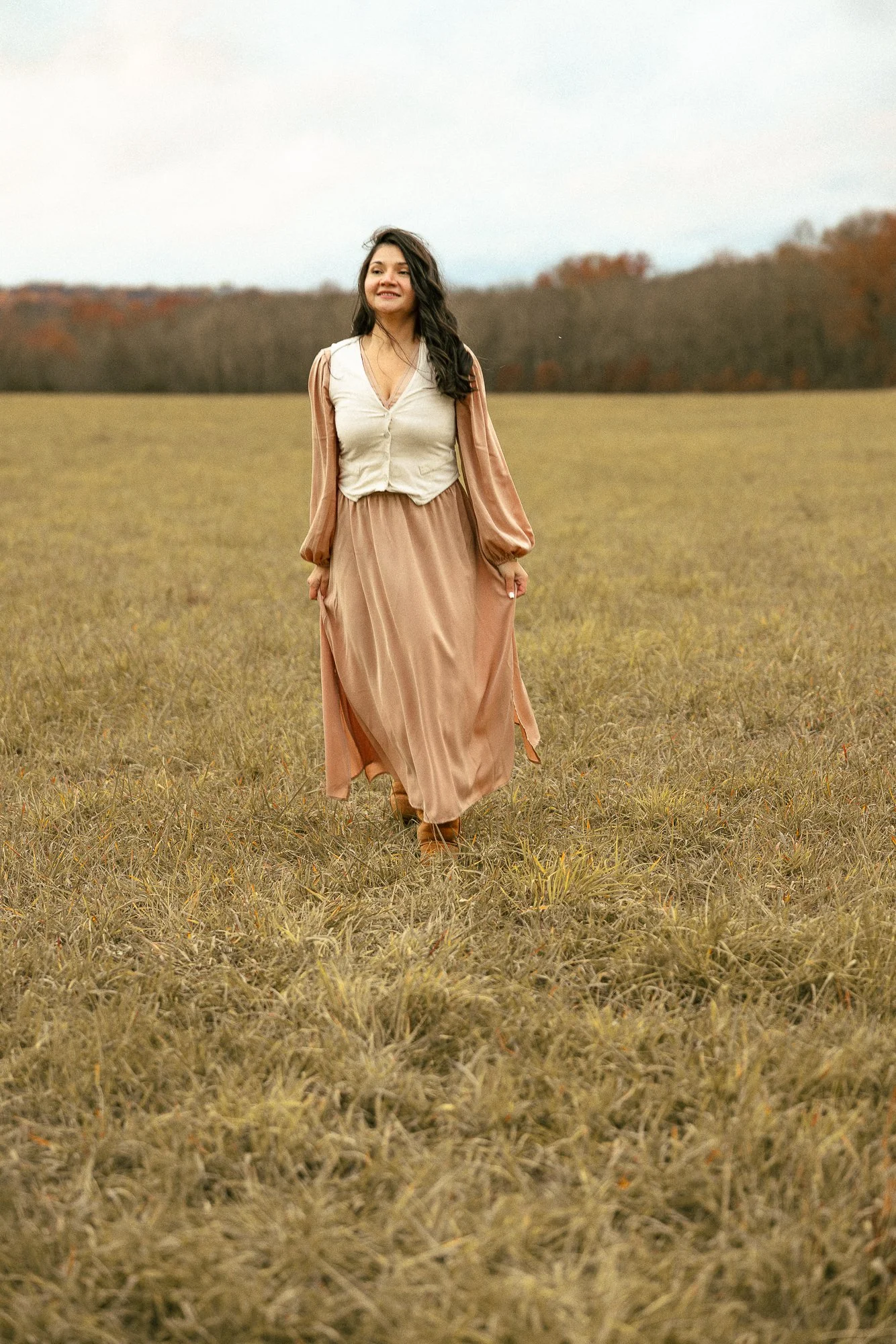
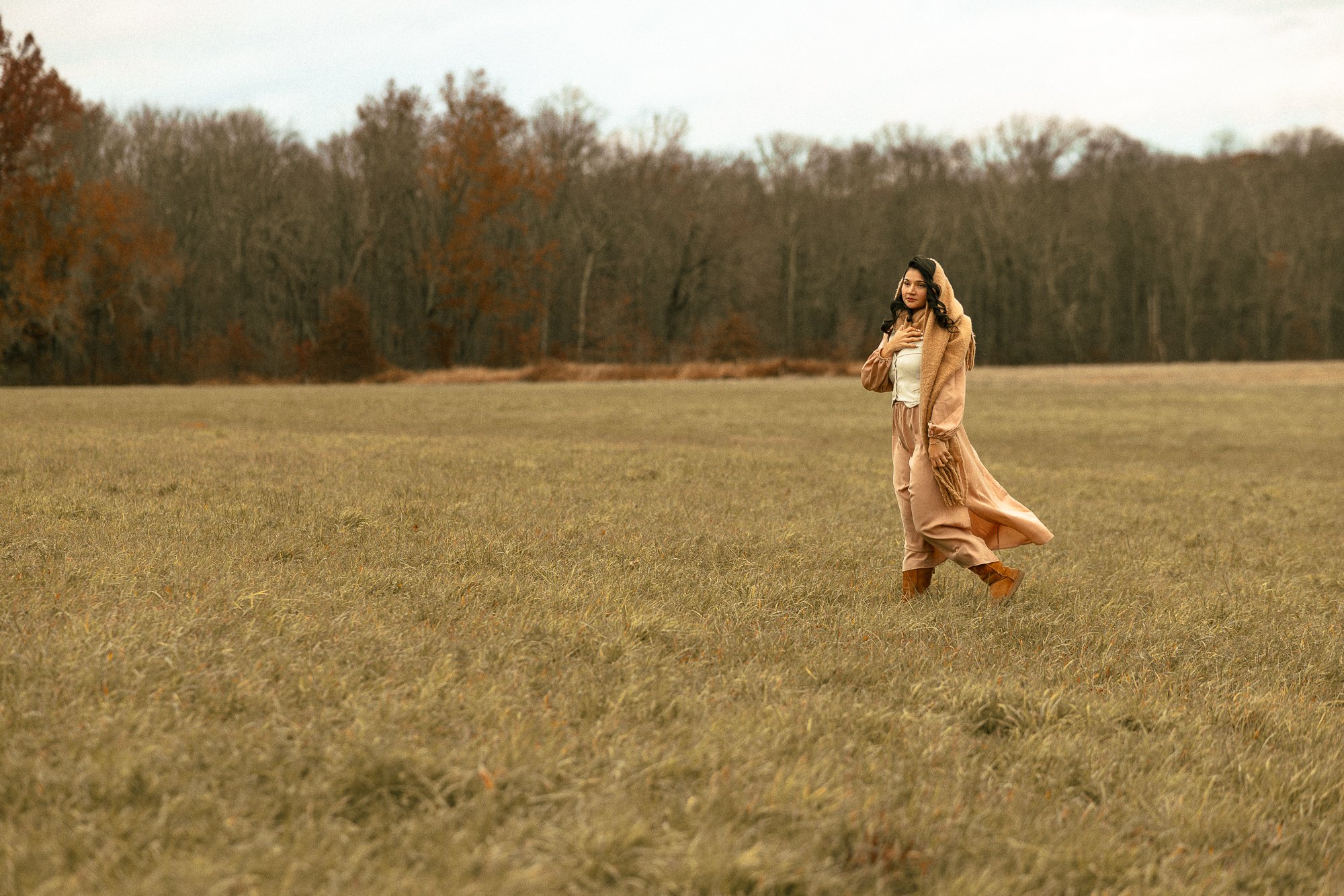
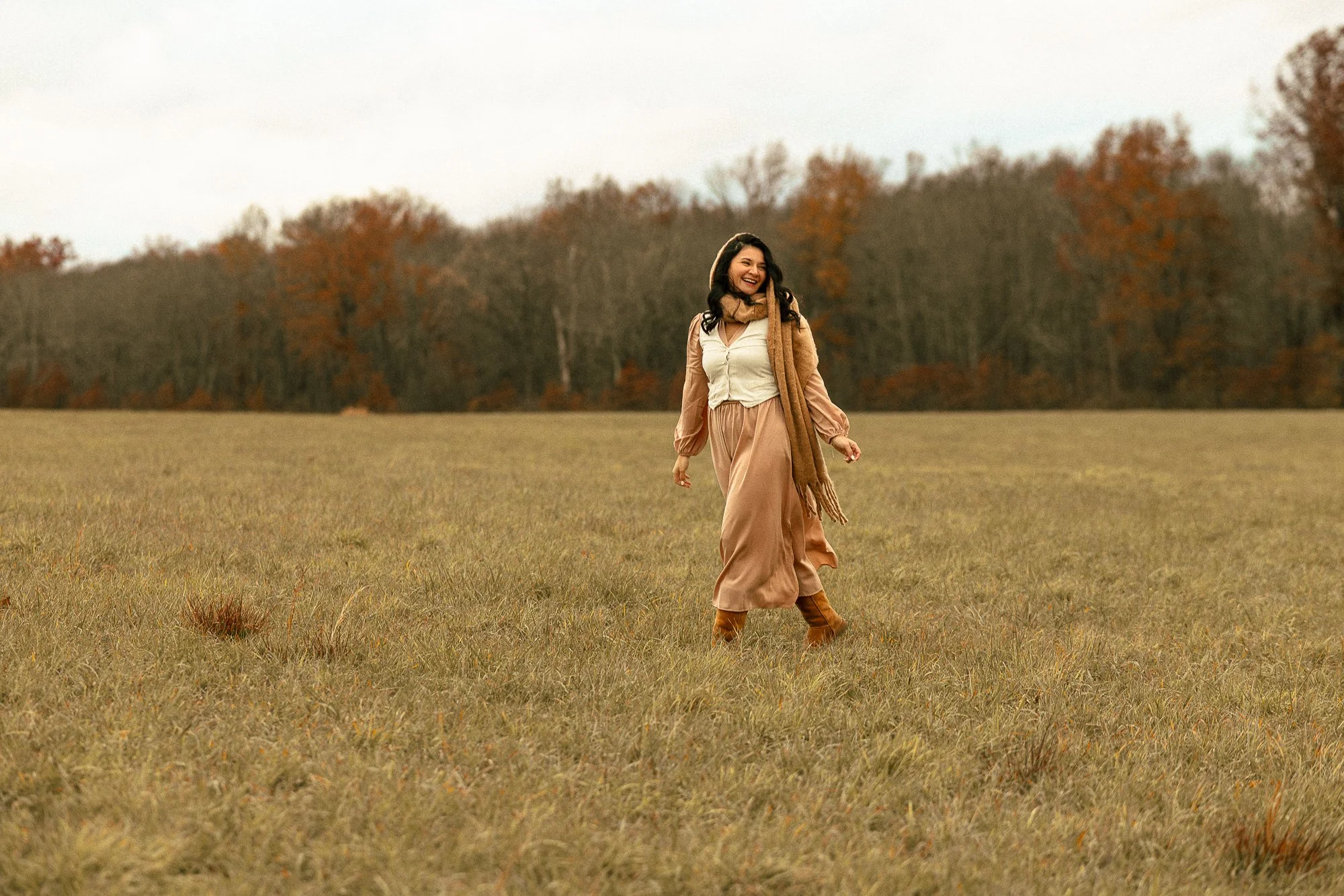
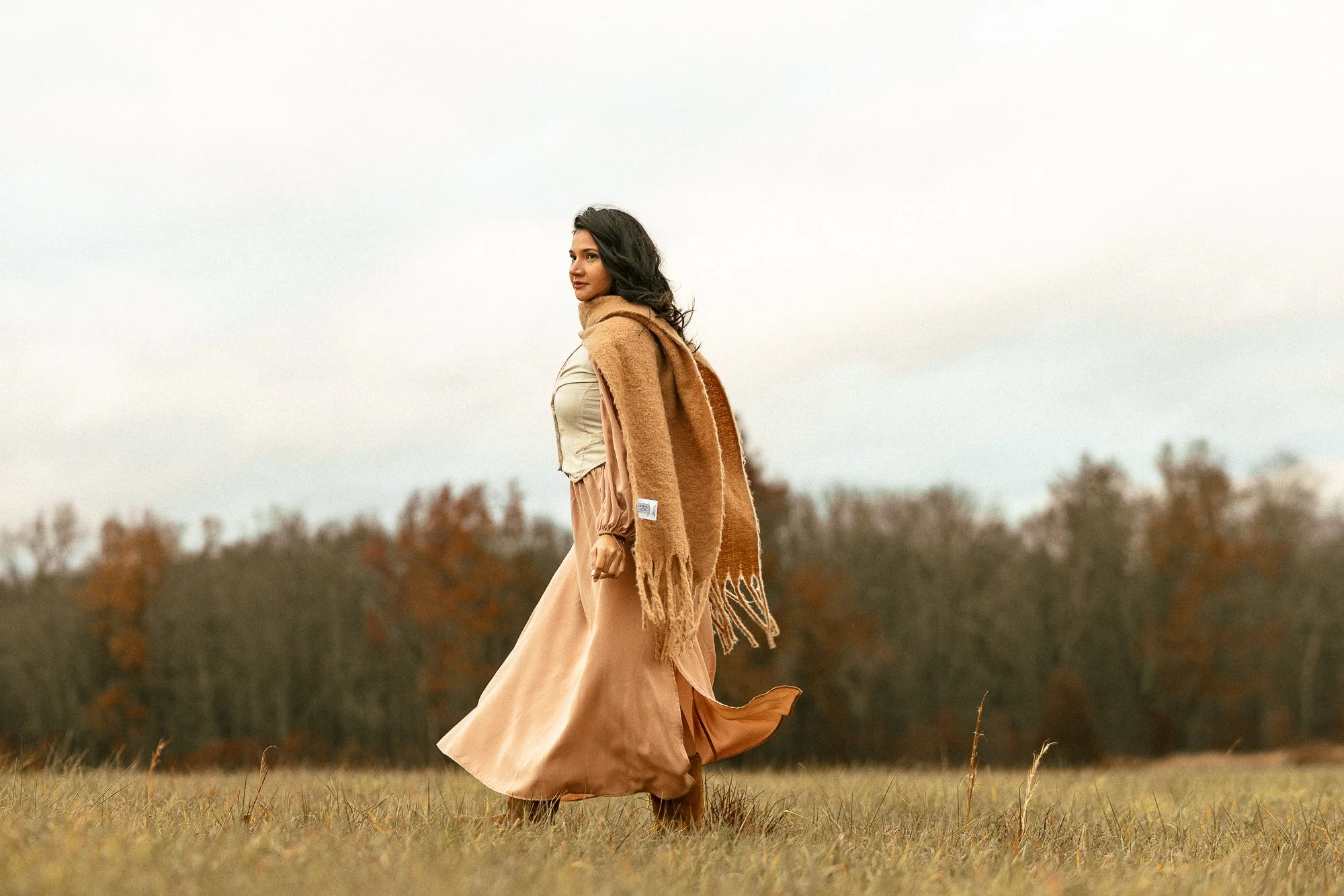
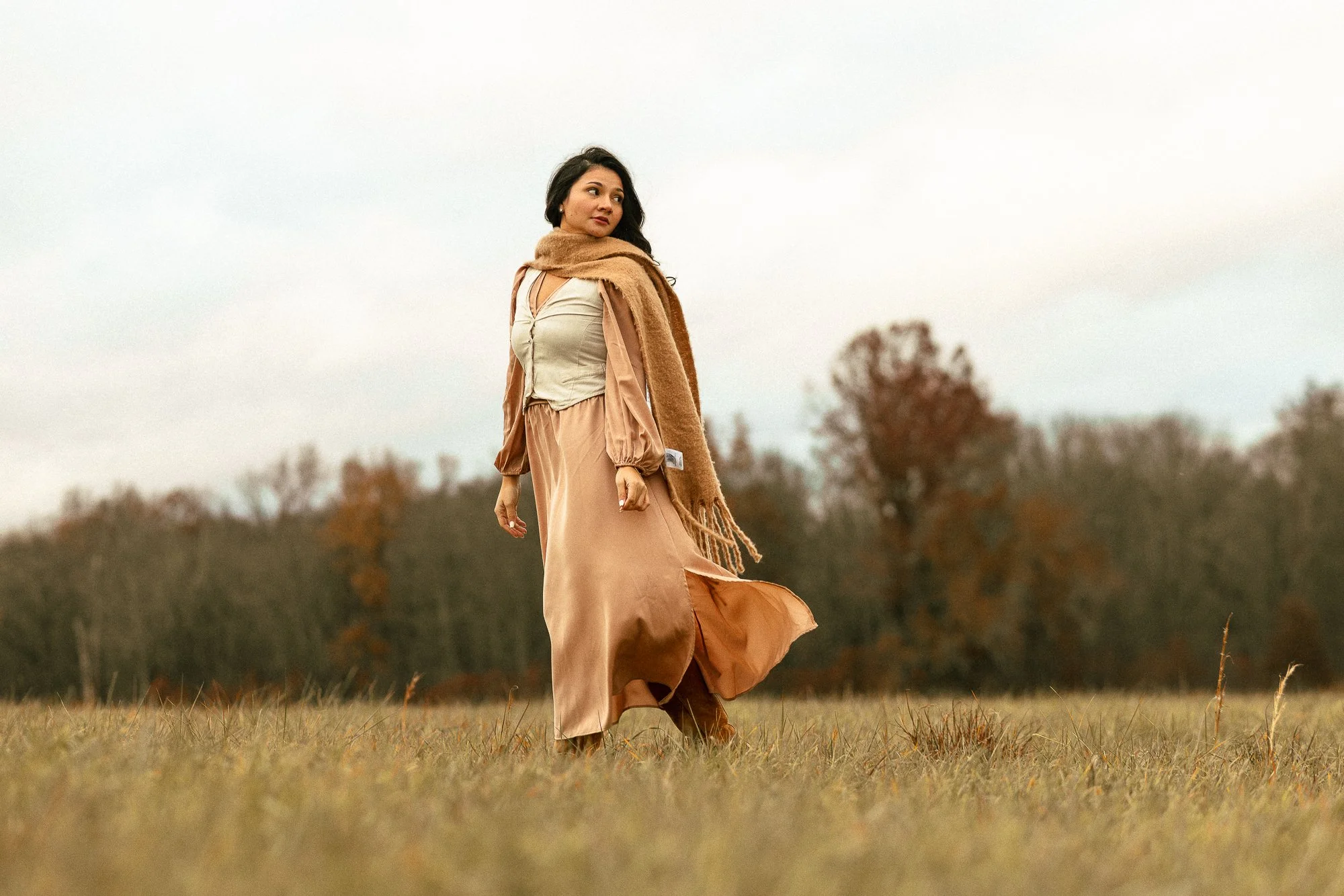
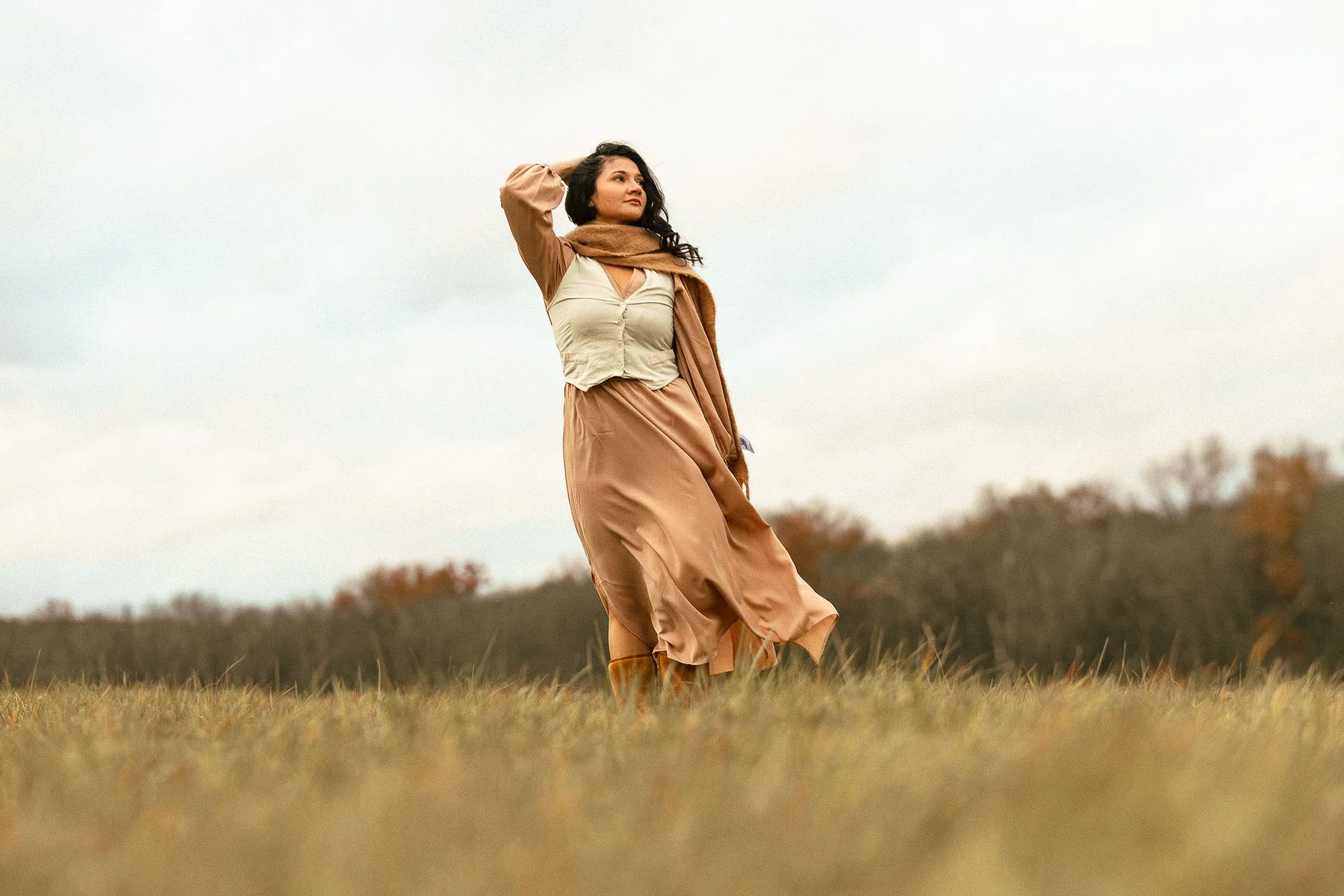
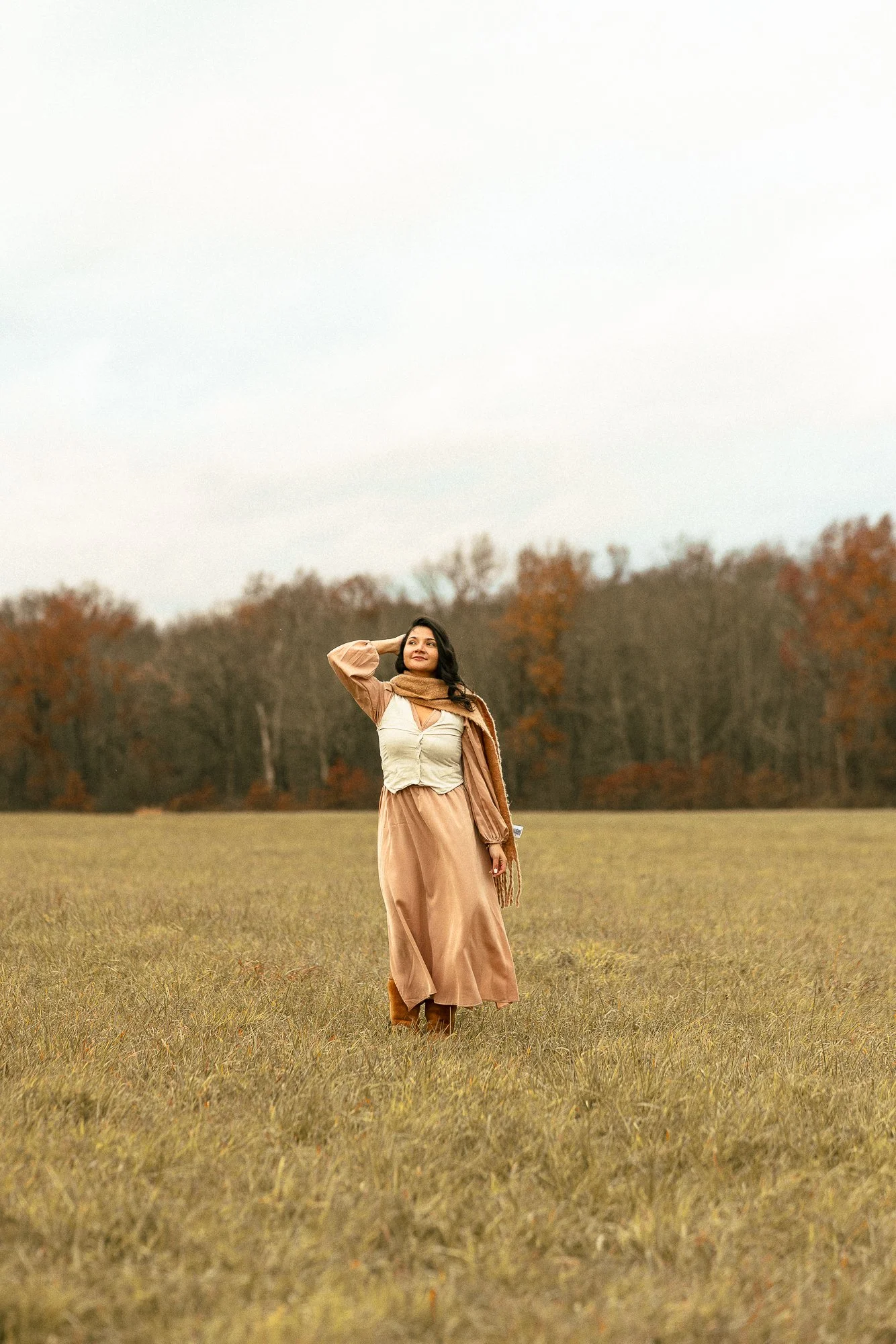
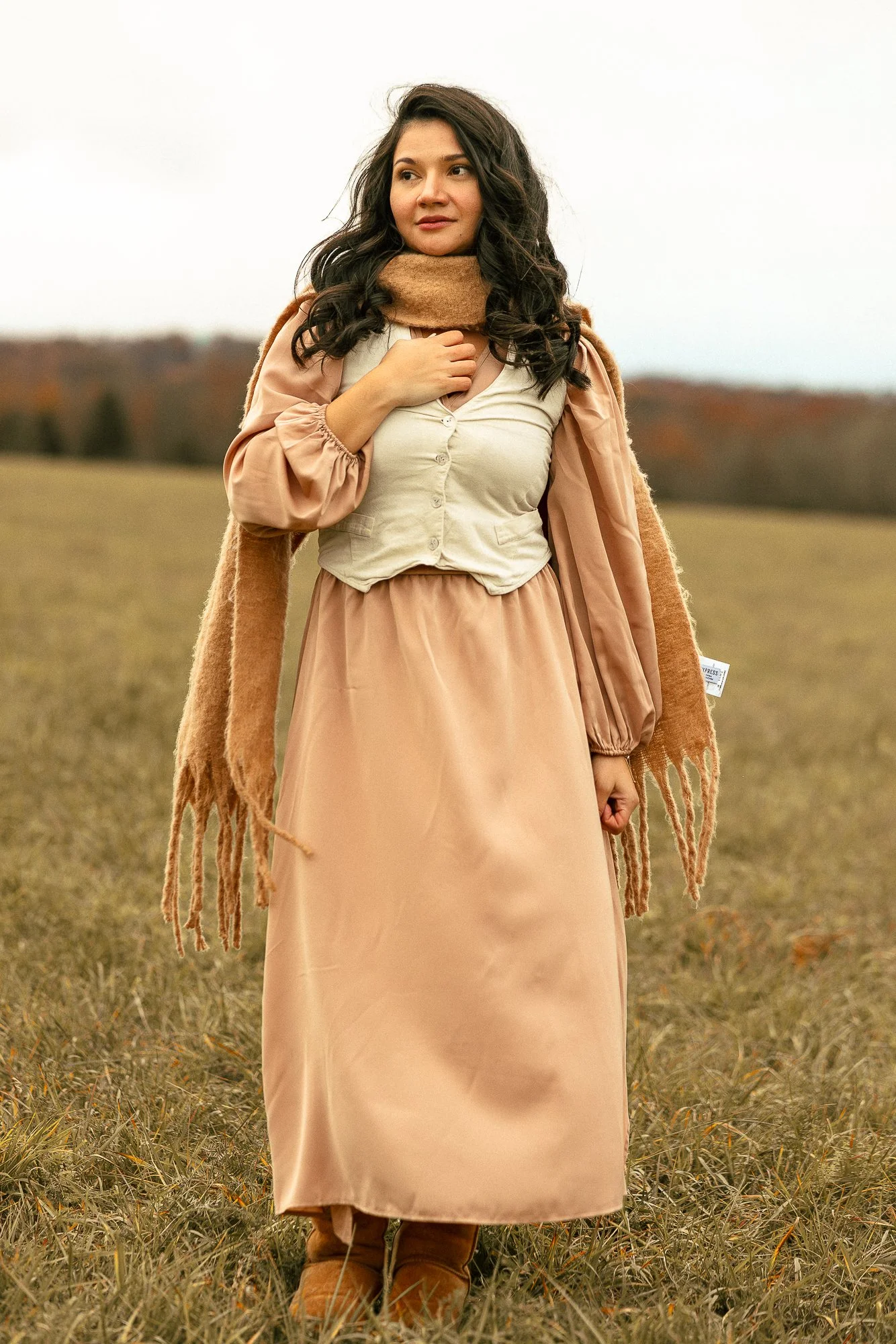
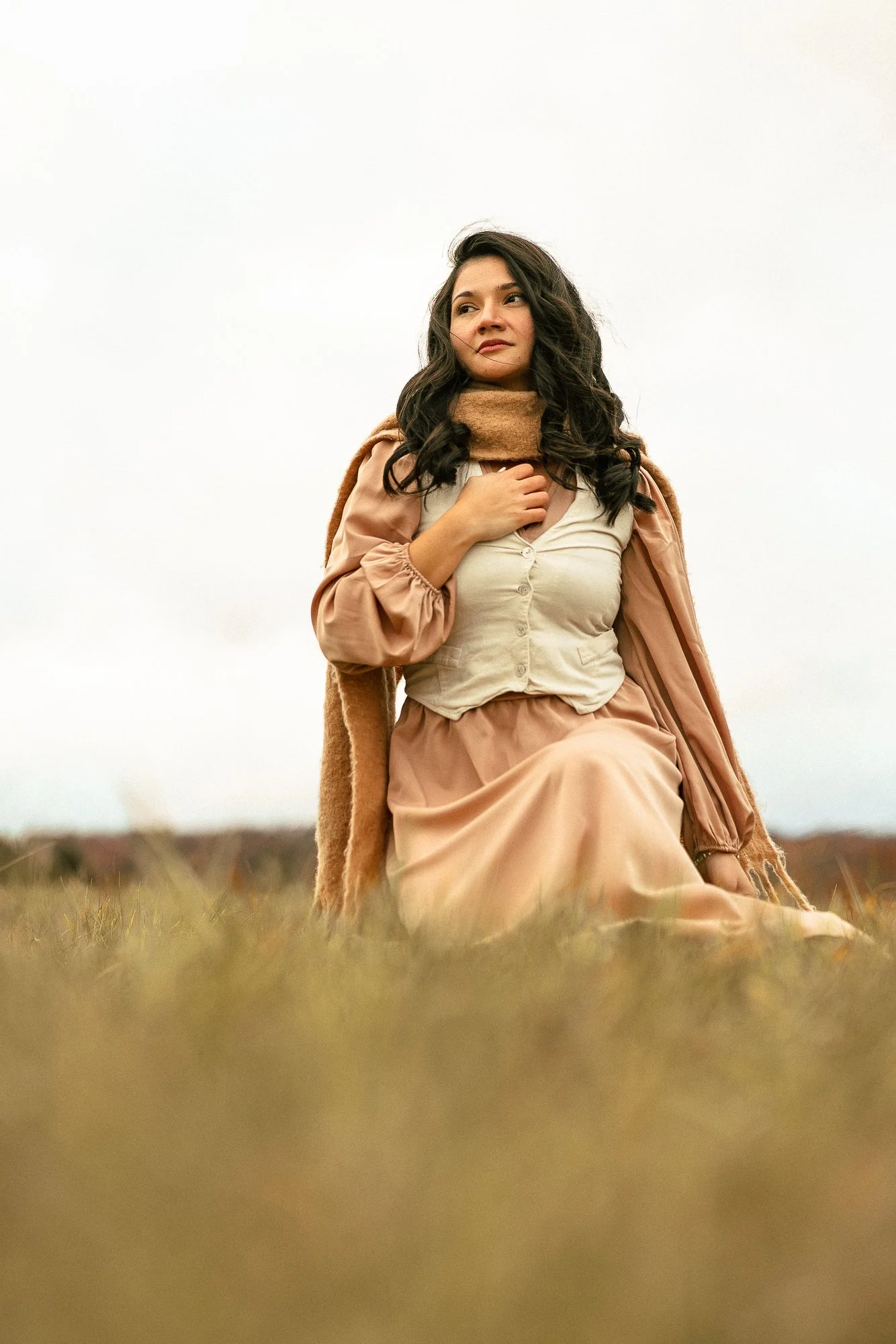
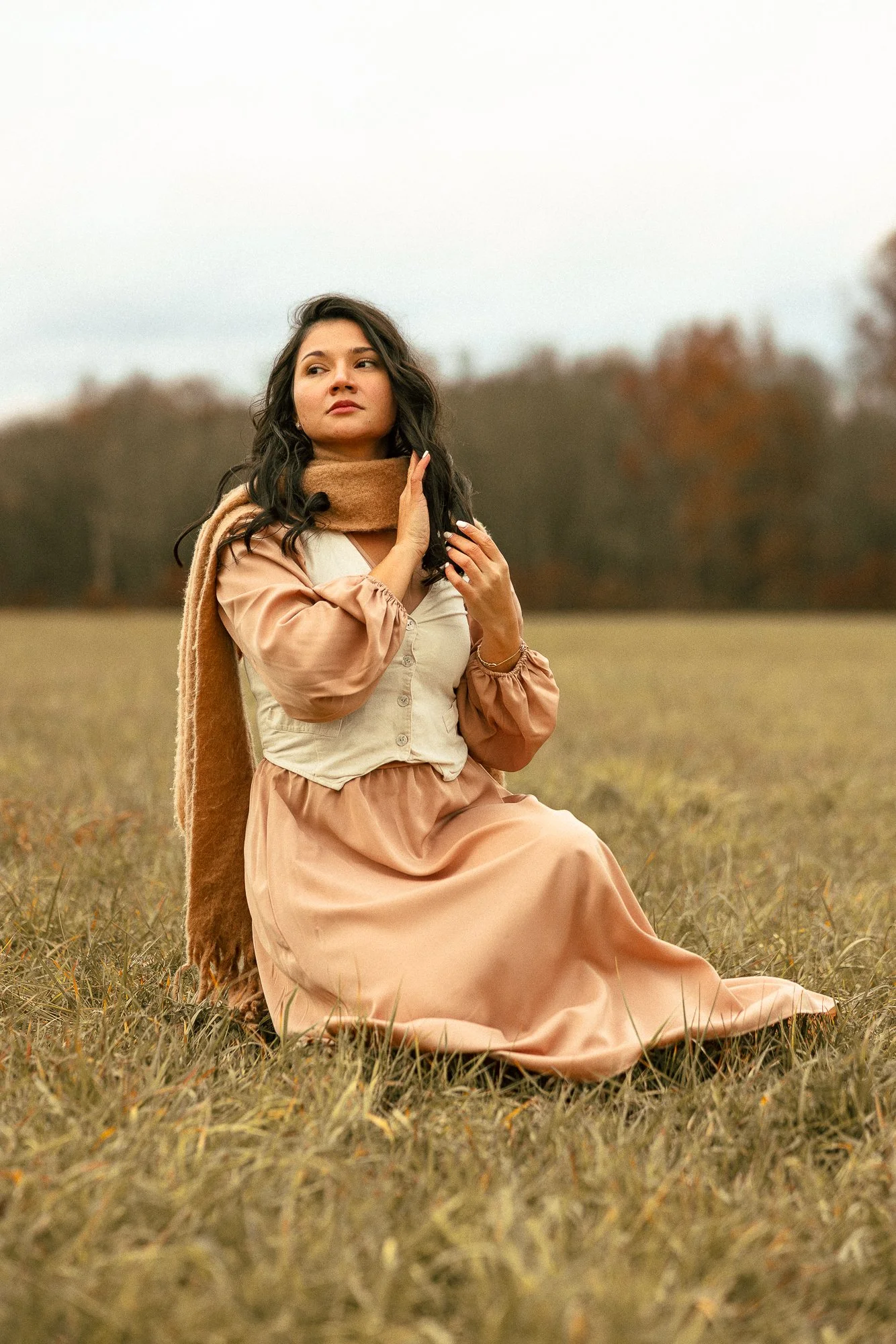
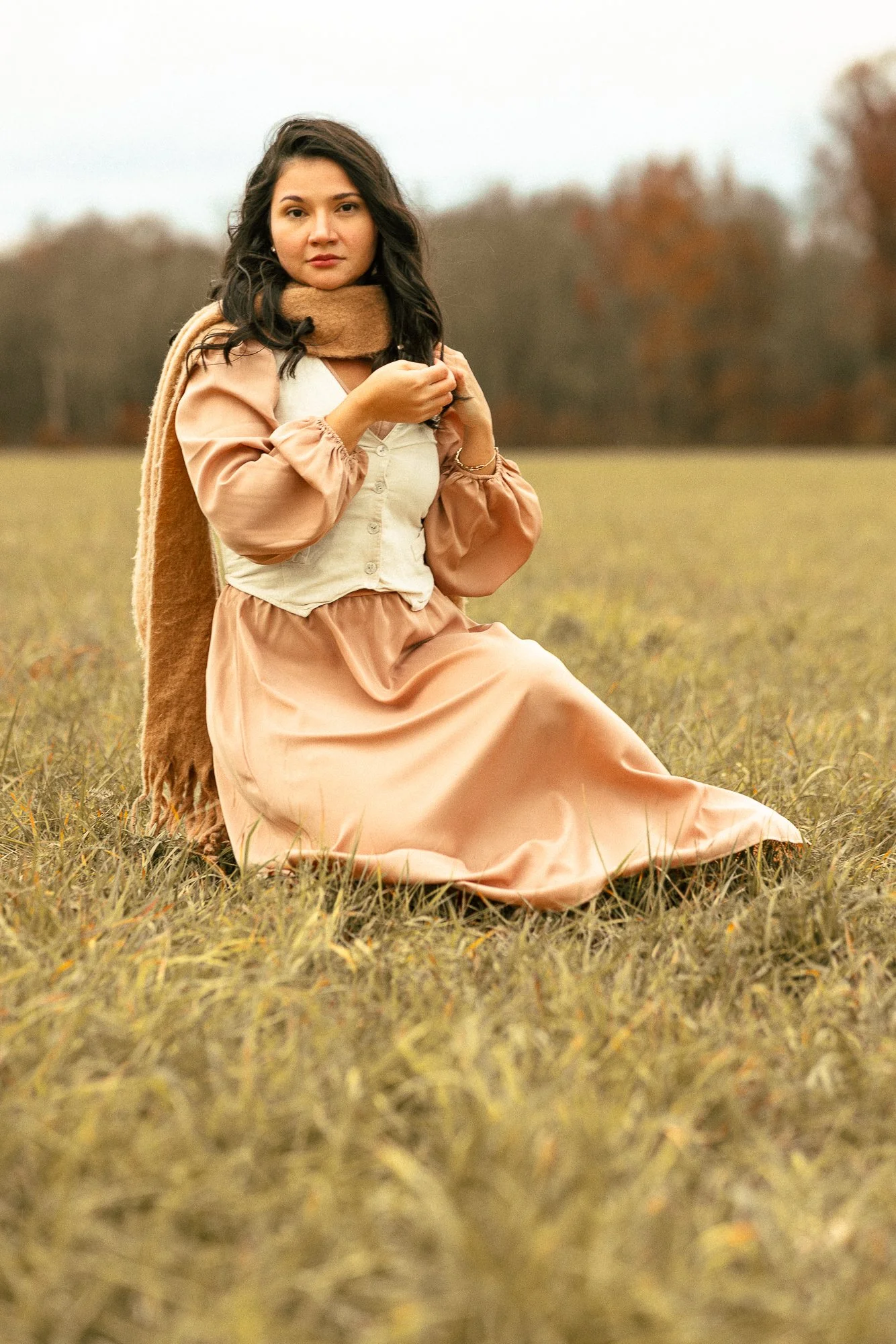
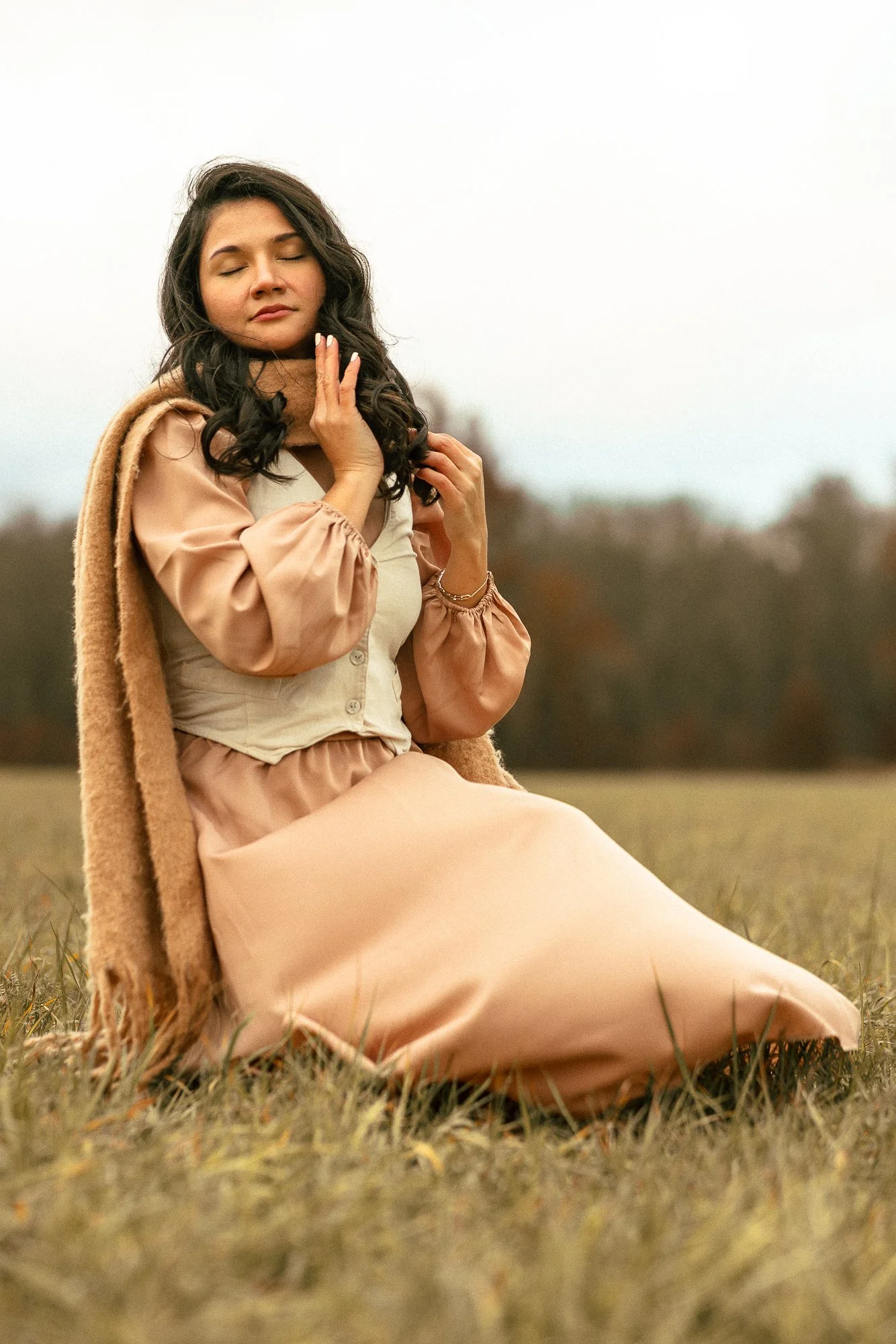
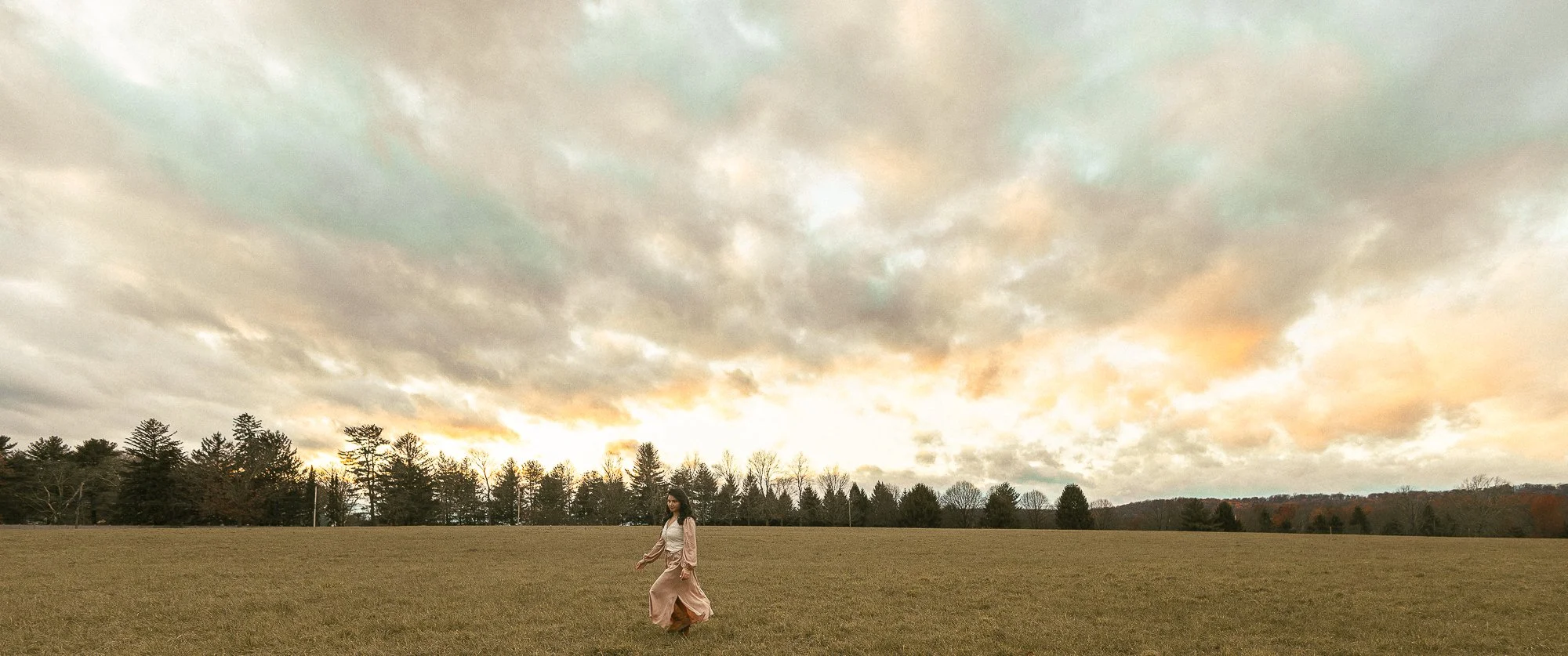
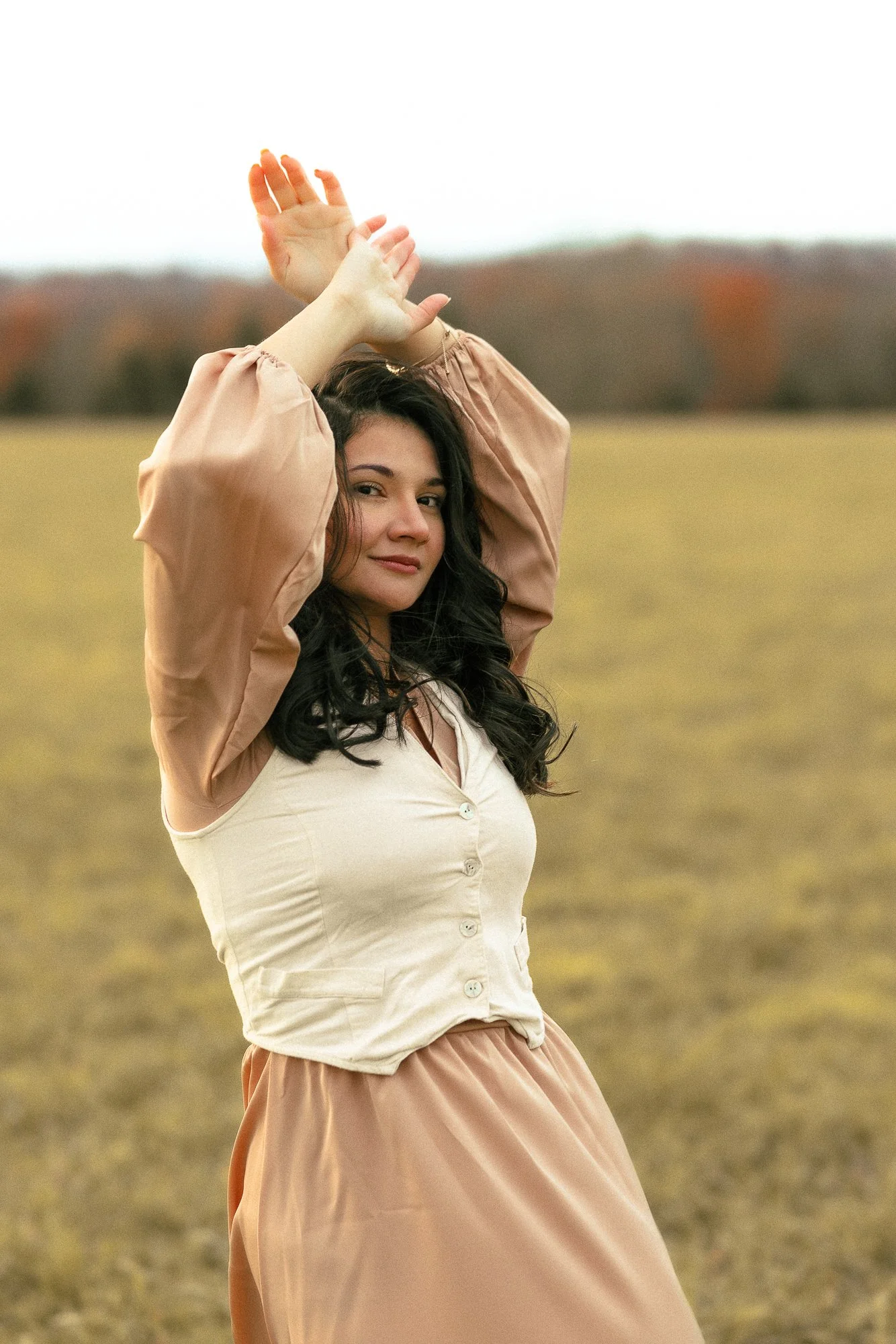
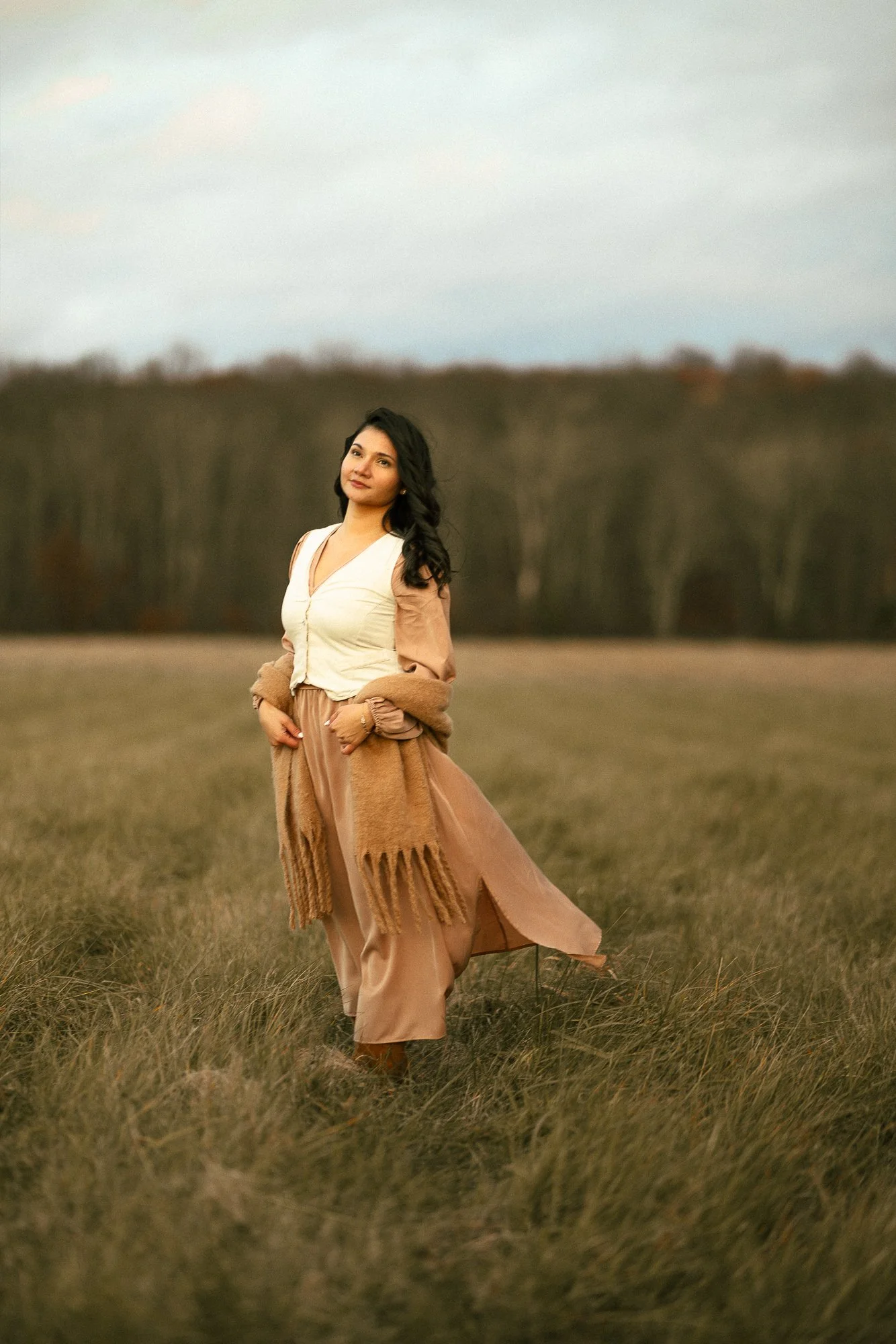
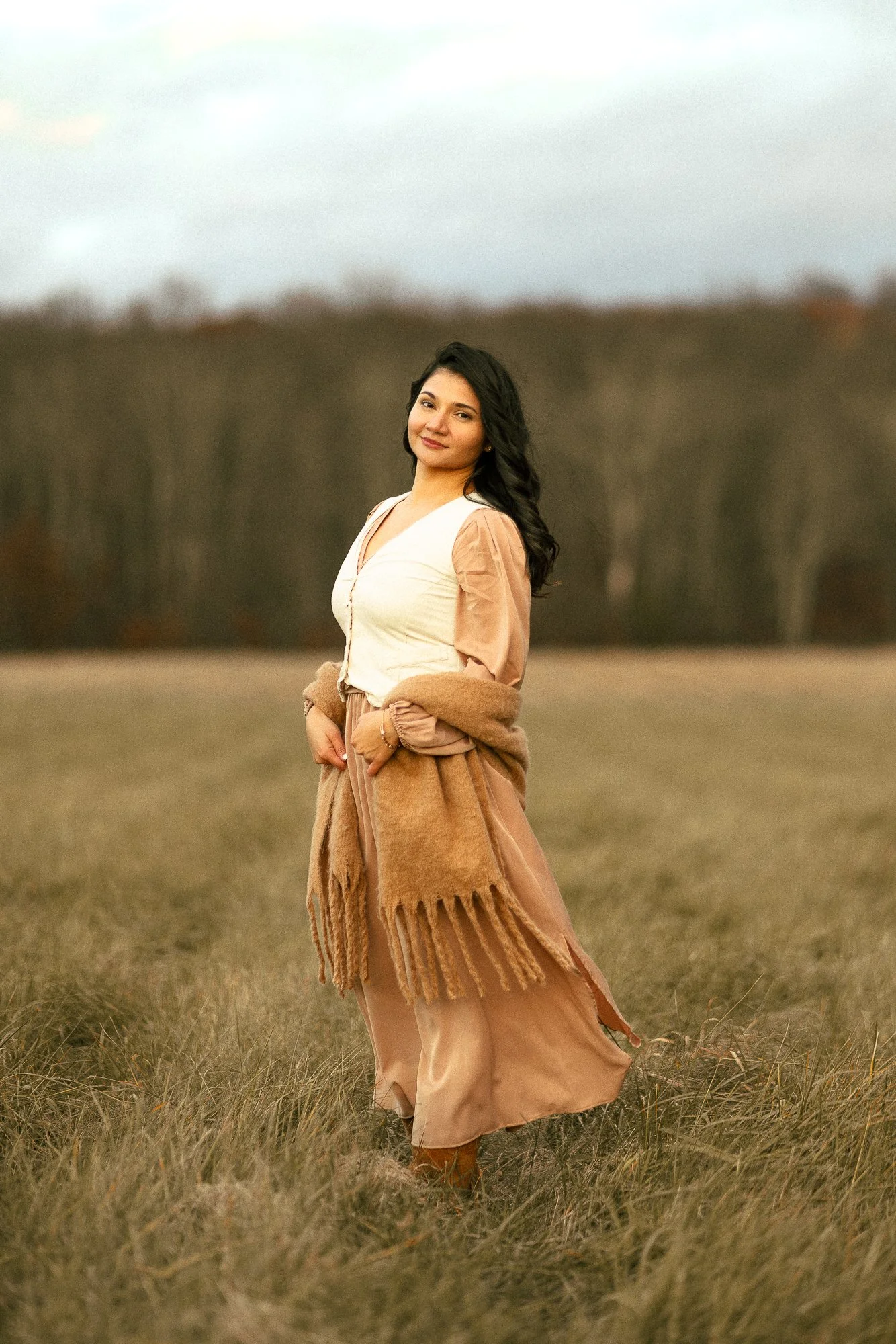
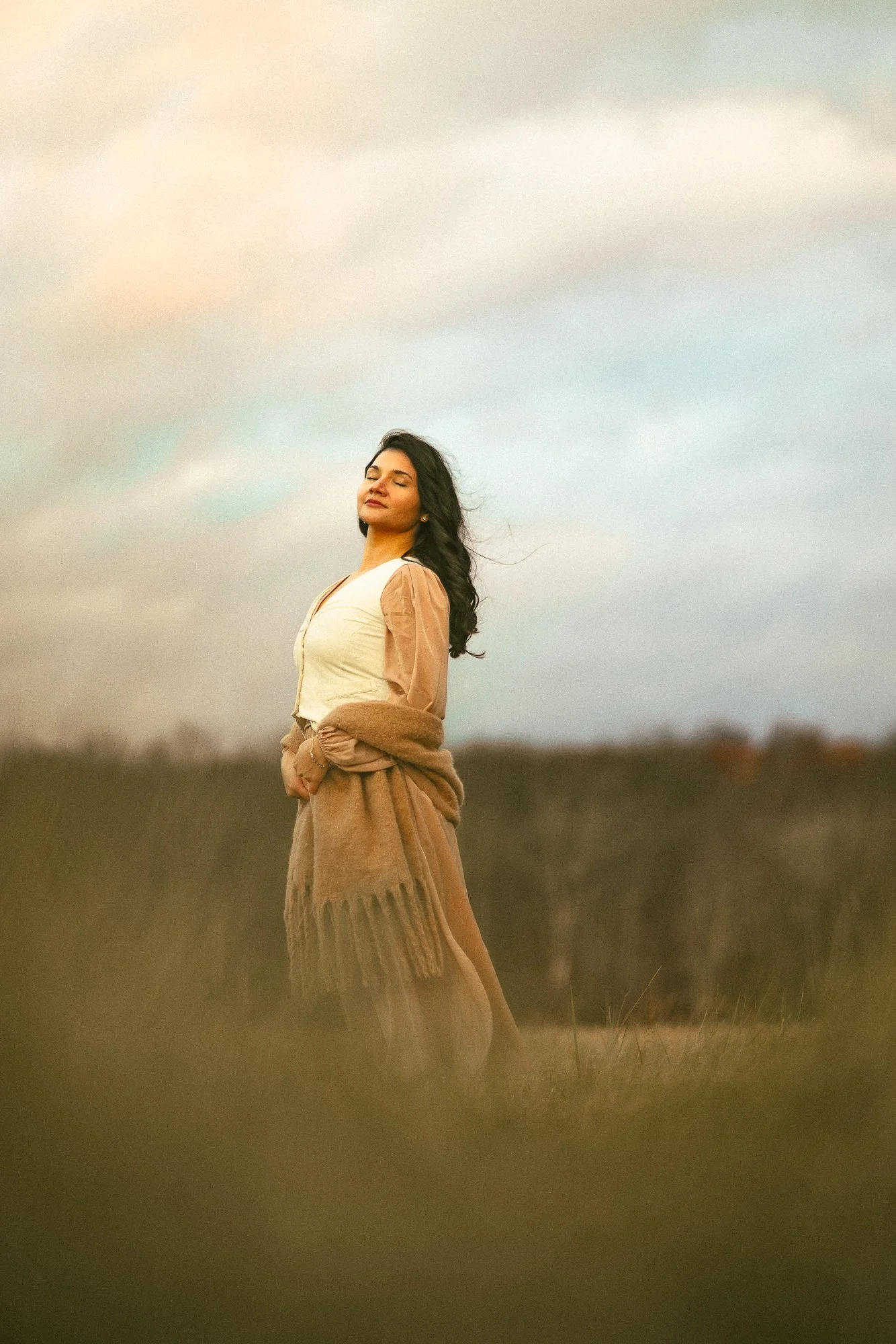
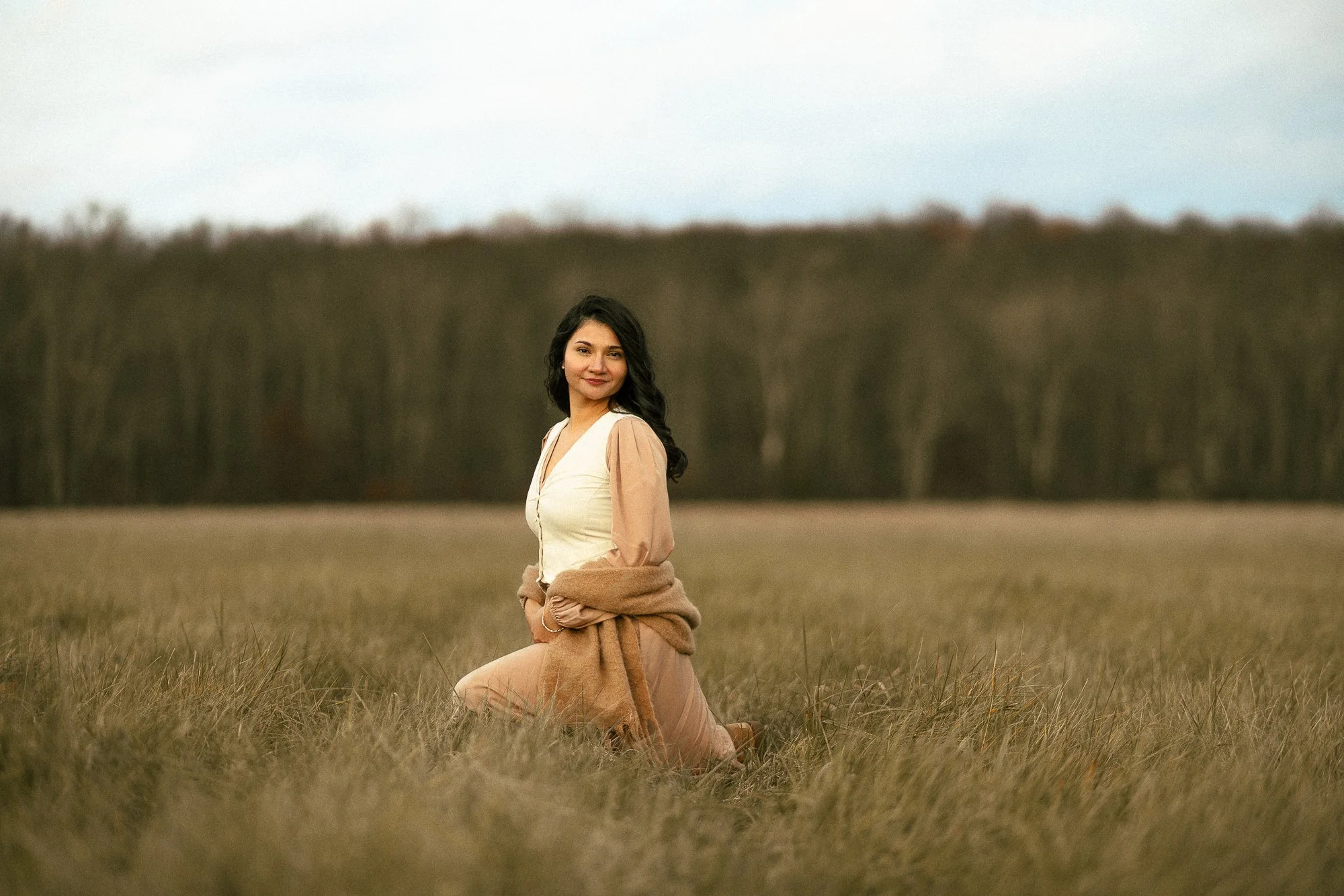
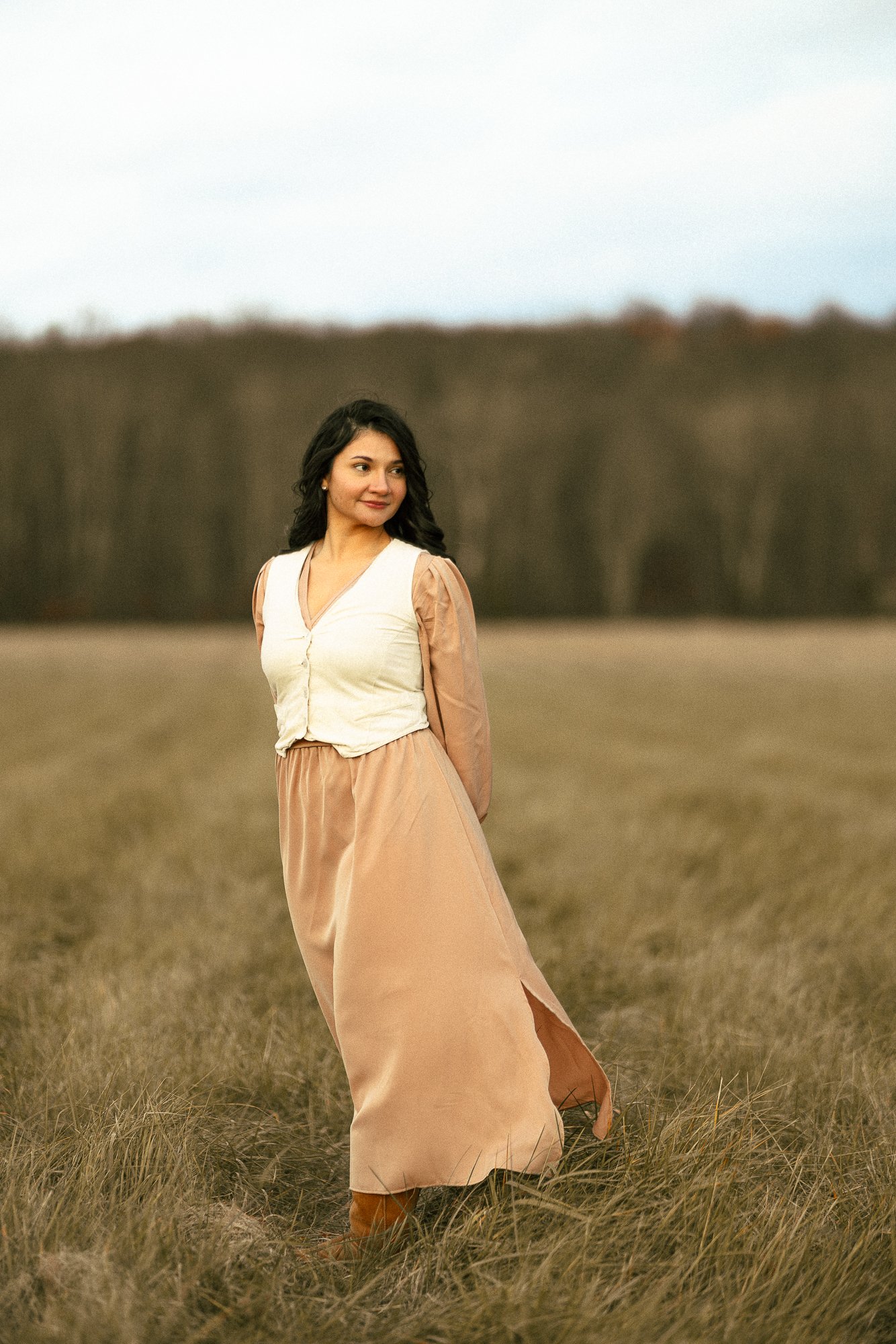
The morning then disclosed itself with a becoming reserve, as though conscious of its own merit yet unwilling to proclaim it too freely. A broad field of sober brown stretched open to the eye, its soil humbled by the night’s gentle attentions, and every blade and furrow beset with dew, which clung like a silvery embroidery bestowed by unseen hands. The light of dawn, pale and deliberative, rested upon it with a courtesy befitting so modest a scene.
The air was cool and well-composed, newly delivered from the hours of darkness, and carried with it an invitation to reflection rather than haste. One might be persuaded that such a field—plain in colour and unadorned in spirit—would escape the notice of all but the most thoughtful observer; yet it was precisely this restraint that rendered it admirable. For in its quiet openness, free from vanity or excess, the landscape asserted a character both steady and refined, instructing the attentive mind that true beauty, much like good sense and good breeding, is most often discovered where it is least loudly declared.